Business Name: BeeHive Homes Assisted Living
Address: 16220 West Rd, Houston, TX 77095
Phone: (832) 906-6460
BeeHive Homes Assisted Living
BeeHive Homes Assisted Living of Cypress offers assisted living and memory care services in a warm, comfortable, and residential setting. Our care philosophy focuses on personalized support, safety, dignity, and building meaningful connections for each resident. Welcoming new residents from the Cypress and surrounding Houston TX community.
16220 West Rd, Houston, TX 77095
Business Hours
Monday thru Sunday: 7:00am - 7:00pm
Facebook: https://www.facebook.com/BeeHiveHomesCypress
Families seldom prepare for Assisted Residing on a calm Saturday early morning with coffee senior living BeeHive Homes Assisted Living and a note pad. The choice typically shows up after several smaller sized minutes pile up. A loss in the shower room that takes hours to find. A refrigerator with wilted eco-friendlies and expired yogurt. Medications that look sorted, yet a couple of pills are missing. If you have been pushing around the concern of assisted living for a parent, you already understand the peaceful weight it carries. You desire your liked one secure and comfortable. You also wish to value the life they constructed, their regimens, the way they like their tea or see the 5 p.m. information. Excellent Elder Care maintains both in view.
I have actually explored more than a hundred neighborhoods and sat with households at more kitchen tables than I can count. The contours adjustment from one person to another, however 3 benefits turn up again and again when Aided Living is succeeded: safety and security, socialization, and day‑to‑day support. Those pillars do not eliminate grief or concern, yet they develop a framework where older grownups can reclaim security and, commonly enough, a feeling of joy.
What Assisted Living Really Gives - and What It Does n'thtmlplcehlder 6end. Assisted Living is a residential setup that provides assist with daily tasks such as showering, clothing, medicine management, and dish prep work. It rests in between independent senior real estate and skilled nursing. Staff are onsite 24-hour, but residents live in personal houses or suites, not medical facility spaces. Think of it as a safeguard woven into common life. This happy medium matters. Individuals do not move in due to the fact that they are ill in the clinical feeling. They relocate due to the fact that the daily rubbings of living alone start to jeopardize safety and quality of life. A little girl from Seattle informed me her daddy used to be careful, yet after his stroke she located expenses in odd piles and a shed frying pan in the sink. He stood up to the concept of help until a small kitchen fire scared him. In Helped Living, we established him up with induction cooktops and monitored dish prep during the day, after that a complete supper in the dining-room. He maintained his self-reliance, but the scaffolding around him changed. Assisted Living does not supply continuous healthcare like a severe hospital ward. A registered nurse may be onsite or standing by, but ventilators, complex wound treatment, and round‑the‑clock clinical tracking typically drop under competent nursing facilities. If an area markets Memory Treatment, which supports homeowners with Alzheimer's and various other mental deteriorations, that is normally a protected wing or a specialized program with qualified staff. It is still not the same as a secured psychiatric unit or a clinical floor. The secret is honesty regarding extent. Request for the service matrix, not simply the brochure. Good Senior Treatment is built on fit: the best level of help at the ideal time. Safety without the Hospital Feel
When safety ends up being fragile, whatever else tears. Households usually explain a growing anxiety of the phone buzzing late during the night. Loss, medication mistakes, kitchen area incidents, roaming, dehydration - none of these issues are new, however seclusion amplifies them.
Modern Aided Living areas approach safety and security with split, inconspicuous techniques. Apartment or condos typically have step‑in showers with grab bars, lever handles, and non‑slip flooring. Hallways are wide. Lights is brighter than in most homes, with fewer darkness pockets that confuse depth perception. A citizen can press a wearable telephone call necklace or a wall surface button to sharp staff. Numerous areas now provide very discreet motion sensing units that notify staff if somebody has not moved for an unusual stretch of time, like after a washroom check out. Family members occasionally are afraid that this modern technology replaces human treatment, but the most efficient programs utilize it as a timely for a knock on the door, not as a replacement for eyes and conversation.
Medication management is entitled to special attention. At home, also arranged people misread labels or miss out on dosages, particularly with vision modifications or light cognitive problems. In Assisted Living, team log each dose and watch for negative reactions. One citizen I worked with took eight medicines at various times. After relocating, we settled schedules with her physician so she had 2 med passes daily. Side effects handed over and her power returned. That type of small modification seldom occurs in a vacuum cleaner at home.
Fire security likewise boosts. Stovetops in resident homes are frequently electric or induction, and numerous communities add automated shutoffs. Lawn sprinklers are typical. Personnel are drilled on evacuation protocols. It is the sort of facilities you do not think of till the worst happens, and afterwards you are grateful it exists.
The technique is maintaining security from feeling like monitoring. Citizens are adults. They require selections. The most effective groups make use of language that respects freedom. Not, "You are not allowed to cook," yet, "Allow us set you up for success in the kitchen area so you can appreciate it securely."
Socialization that Seems like Genuine Life
Loneliness is not resolved by bingo alone. I have seen vibrant task calendars that never ever catch fire and small programs that transform a neighborhood since the culture welcomes involvement. The aim is not consistent stimulation. It is meaningful link at a speed that fits the person.
A retired educator might light up when asked to lead a verse circle. A previous accountant may appreciate handling the minor money for the resident store. One gent I met had actually been a machinist. He discovered function in the maintenance shop, aiding the team label tools and sort equipment. He began eating better and resting better as soon as he really felt beneficial again.
Meals do a lot of quiet work below. Three common dishes per day produce supports. Also residents who skip morning stretch class will certainly often turn up for lunch, and that opens area for relationships. Dining personnel often tend to notice that is missing out on and can nudge delicately. Option matters as well. Try to find food selections with alternatives, not simply the daily special. If your mom is diabetic, ask how the kitchen area deals with carbohydrate matters and desserts.
Look closely at transport. Communities that run dependable shuttles to local occasions, collections, or belief services maintain citizens linked into the community beyond their front door. Confidence leaders that check out, publication clubs that include citizens from the community, teenagers offering after college - these bridges matter. They inform locals they remain part of a larger world.
For citizens that require Memory Care, socialization looks different however is no less important. Programs often tend to favor smaller sized groups, much shorter sessions, and multi‑sensory activities: songs from their young people, baking bread for the smell and structure, folding towels to satisfy the hands. The goal is comfort and connection, not evaluating memory. When a community gets this right, anxiousness drops. I have actually seen a woman with mid‑stage dementia hum along to a Sinatra record, then grab her other half's hand with a clarity he had not seen in months.
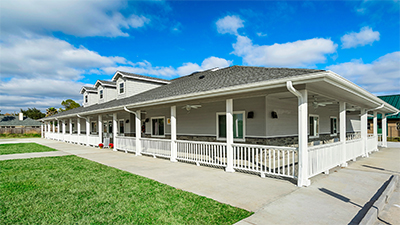
Daily Assistance That Brings back Energy As Opposed To Draining Pipes It
At home, the tasks of life take in even more power than they should. A shower can seem like an expedition. Washing piles up. The cars and truck battery passes away, or the snow shovel is much heavier than in 2015. Each job pulls from the very same minimal swimming pool, and by dinner there is absolutely nothing left for a walk or a discussion with a friend.
Assisted Living redistributes that pack. Team deal with the hefty training: home cleaning, bed linens, upkeep, balanced dishes, and the rhythm of individual care. A local may still pick to make tea or fold washing, however it becomes optional, not required. Households frequently see that their enjoyed one appears much more like themselves after a couple of weeks. That is not magic. It is the lack of consistent micro‑stress.
There are useful wins, too. Showering assistance means less skin concerns. Prompt podiatry and oral check outs protect against bigger health problems. An upkeep team that transforms a light bulb the same day maintains minor dangers from turning into drops. Transport to appointments implies less terminations and far better follow‑through on treatment. When these supports lock with each other, wellness supports. People get ill much less typically. And when ailment comes, healing often tends to be smoother.
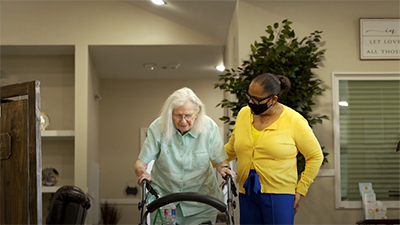
How Memory Care Fits - and When It's the Better Path
Not every parent that has problem with memory requires a secured Memory Treatment program. Moderate forgetfulness does not automatically call for a secured door. The line tends to revolve around safety and tension. If a person wanders, puzzles night and day, or comes to be nervous in open hallways, Memory Treatment can minimize danger while restoring calm.
The atmosphere differs in refined means. Hallways loop back to usual areas as opposed to dead‑end. Darkness boxes outside homes display photos and little items that assist with acknowledgment. Personnel get training in dementia communication and redirection. Activities are much shorter, quieter, and grounded in day-to-day rhythms: establishing a table, sprinkling plants, folding garments. These are not infantilizing tasks. They meet the brain where it is and offer success without stress. Family members often report less dilemmas and even more minutes of connection, which is the real metric.
A son as soon as informed me he withstood Memory Take care of months due to the fact that it seemed like surrendering. After a wandering episode that ended with police and a scared next-door neighbor, he accepted trip. His mommy moved into a little Memory Care area that scented like cinnamon. Personnel greeted her by name. The door had a mural that resembled a shelf, and she stopped trying to pass by it. 2 weeks later on, he said, "We have supper currently. We talk about her yard. She is not frightened constantly." That is what you try to find when considering memory take care of moms and dads: fewer emergency situations, more peace.

The Financial Image, Explained Straight
Cost is a real constraint. Families feel guilty confessing, however it belongs in the conversation early. Helped Living is normally priced in 2 parts: a base rent for the apartment or condo, dishes, housekeeping, and tasks, plus a treatment degree fee based upon the help required. In numerous regions, regular monthly costs vary from approximately 3,500 to 7,500 dollars for Assisted Living. Memory Care usually runs greater, frequently 5,000 to 9,000 bucks, since staffing proportions are different and programming is specialized. Urban centers and high cost‑of‑living areas can go beyond these ranges.
Medicare does not pay for room and board. It may cover experienced services such as physical treatment. Long‑term treatment insurance policy can balance out costs if a policy exists. Experts and enduring spouses should inquire about VA Help and Attendance. Some states supply Medicaid waivers that assist pay for Assisted Living or Memory Care, yet eligibility guidelines vary by state and commonly involve waitlists. Households who own a home typically sell it to money treatment or think about a swing loan throughout the sales procedure. A blunt however usual technique is to select a community that approves private pay for a collection period, after that permits Medicaid conversion when funds deplete. Ask the executive supervisor just how that works prior to signing anything.
I recommend building a straightforward budget plan that covers 3 years at current treatment needs, then adding a barrier. People live longer than they anticipate. Requirements tend to increase slowly. Clarity is kinder than surprise.
Quality Differences You Can See on a Tour
Brochures mix together. Clean structures and smiling supply images inform you nothing. When I explore, I watch for lived‑in information. Personnel that welcome residents by name without glancing at a graph. Managers who understand the day's food selection and the activity routine without looking. An upkeep person who quits to fix a wobbly chair rather than walking past it.
Smells matter. A pale aroma from lunch is typical. A relentless odor in a hallway is not. Listen for giggling and routine conversation during the mid-day, typically the waned hour when slim staffing programs. Glance into the activity space without being led there. Are citizens engaged or do a few individuals get involved while others sleep in mobility devices along the wall surface? Look at the calendar posted and ask that actually participated in the last three events.
Ask how the community manages modification in condition. A resident with an urinary system system infection can decrease fast. Do they have registered nurse evaluations on site? Do they collaborate with home wellness for brief bursts of proficient support? Exactly how do they communicate with households - phone, e-mail, a family members portal?
The kitchen supplies a window into operations. Request a sample meal. If the meal is baked hen, ask whether there is a vegan option and how they fit low‑sodium diet regimens. Nutritional adaptability prices money and time. Communities that do it continually generally take the remainder of care seriously.
The Family members Function Does Not Finish at Move‑In
Some family members are afraid Aided Living will certainly replace them. Excellent areas do the opposite. They try to make you a partner. The landscape of responsibilities modifications, and for lots of people it comes to be more sustainable.
Your energy actions from straight caregiving to campaigning for and existence. You turn up for supper, not to scrub a restroom. You bring fresh fruit or your daddy's favorite cookies. You still track clinical notes and objectives. You still push for an optometry check out or ask nursing to see a new shake. If your brother or sister lives throughout the country, give them a details role: expense monitoring, pharmacy refill oversight, or visiting quarterly with a clear agenda.
Expect some turbulence in the initial month. Regimens shift. Rest can be irregular. Appetite may dip after that rebound. The staff and homeowner are finding out each other. Maintain a log of small observations and share them with the care group at the two‑week and thirty‑day check‑ins. These meetings exist for a factor. Use them.
Handling Resistance with Respect
Resistance almost always comes from fear. Loss of home, loss of control, loss of the acquainted chair by the home window. Informing somebody that Aided Living is "for the very best" is hardly ever influential by itself. Begin with the worry that keeps them up at night, not yours. If your mom bothers with dropping, frame the conversation around shower aid and fast help if she slides. If your dad despises eating alone, discuss the morning meal group and the coffee they serve.
Trial remains aid. Lots of neighborhoods offer equipped reprieve apartments by the week. I have actually seen die‑hard doubters fall for the early morning oat meal and newspaper routine, after that choose to remain. Other times, a respite exposes a mismatch, which works also. Much better to evaluate and change than to require a move that fails.
Family unity matters. When 2 brother or sisters suggest in the entrance hall concerning whether Father can stay home, staff detect the stress and everybody sheds focus. Discuss arguments before you visit. Determine who will be the primary contact. Place an easy plan on paper and share it with the team.
Edge Cases and Trade‑Offs That Deserve Thought
Not every older adult prospers in a group setting. Individuals with extensive introversion may locate constant closeness challenging. Try to find floor plans with silent nooks, small dining rooms, or the alternative to eat in an apartment or condo periodically without stigma.
Pets can be a deal‑breaker. Numerous Assisted Living neighborhoods are pet‑friendly within weight limits and with a treatment plan if the homeowner can not manage strolls reliably. Be sincere about what is sustainable. A disregarded family pet develops stress for everyone.
Couples present intricacy. If one partner requires Memory Treatment and the other does not, ask about adjacent apartments, shared dish strategies, and just how the healthy and balanced spouse can access the protected area conveniently. I have seen couples grow with a regimen that includes breakfast with each other, different activity tracks mid‑day, after that an evening walk and dessert.
Cultural fit matters. Food customs, language, and spiritual method form whether a place feels like home. Do not excuse looking for a community where your moms and dad hears their language in the hallway or sees their holiday observed.
A Quick, Grounded List for Touring
- Ask regarding staffing proportions by change and just how commonly those ratios are met. Request a sample regular monthly invoice with base rent and present care level fees. Eat a meal in the dining-room. Notice pacing and temperature level of the food. Meet the nurse or wellness supervisor and ask exactly how they handle a loss at 2 a.m. Talk to 2 residents and one member of the family without team hovering.
Why Family members Commonly Wish They Had Relocated Sooner
I do not claim this gently. People frequently inform me they waited six to twelve months as well long. They wished to prevent a difficult conversation, or they hoped a few home alterations would carry them with. By the time the move happened, a loss or a scare had shaken everybody, and the moms and dad showed up depleted.
Moving earlier records even more excellent days. It lets your moms and dad go into with strength, make friends, check out the structure, and established routines before a crisis. It offers you time to build trust fund with the team. The psychological lift can be genuine. A guy who once informed me he would certainly "never ever live with a number of old people" started holding court at a bright corner table, exchanging sports tales. He still said he missed his home. He additionally said he felt safer, and his little girl stopped examining her phone every hour.
Measuring Success After the Move
Success resembles steadiness. Fewer 911 telephone calls. Weight in a much healthier array. Clothing changed regularly without triggering from family members. A schedule with a few circled around occasions that your moms and dad really participates in. Conversations that twist, not constantly regarding diseases or aggravations. Giggling that appears in tiny minutes. Not excellence, not a return to 55, but a life that really feels lived rather than endured.
If that is not taking place after a fair modification period, speak out. Often a various assistant, a brand-new medicine routine, or an area closer to the dining room moves the entire image. Occasionally the fit is incorrect and another neighborhood would serve much better. Great Senior Citizen Treatment is not fixed. It progresses with the person.
The Bottom Line for Families Considering Helped Living for a Parent
Assisted Living, at its best, shields safety and security without smothering independence. It changes solitude with workable area. It takes the grind out of daily life so power can recede to partnerships, regimens, and little satisfaction that make days worth living. Memory Care adds a layer for those whose brains need a gentler, safeguarded environment and staff learnt mental deterioration treatment. None of these settings erase the intricacy of aging. They do, however, widen the margin permanently days.
If you are considering alternatives, begin with a clear sight of requirements, a convenient spending plan, and a photo of what a great day need to resemble for your moms and dad. Excursion with objective. Ask uncomfortable concerns. Bring your moms and dad right into the process as much as dignity permits. After that choose a neighborhood that uses security with regard, socializing with choice, and support that feels like partnership. That is the heart of Senior citizen Care worth having.
BeeHive Homes Assisted Living is an Assisted Living Facility
BeeHive Homes Assisted Living is an Assisted Living Home
BeeHive Homes Assisted Living is located in Cypress, Texas
BeeHive Homes Assisted Living is located Northwest Houston, Texas
BeeHive Homes Assisted Living offers Memory Care Services
BeeHive Homes Assisted Living offers Respite Care (short-term stays)
BeeHive Homes Assisted Living provides Private Bedrooms with Private Bathrooms for their senior residents
BeeHive Homes Assisted Living provides 24-Hour Staffing
BeeHive Homes Assisted Living serves Seniors needing Assistance with Activities of Daily Living
BeeHive Homes Assisted Living includes Home-Cooked Meals Dietitian-Approved
BeeHive Homes Assisted Living includes Daily Housekeeping & Laundry Services
BeeHive Homes Assisted Living features Private Garden and Green House
BeeHive Homes Assisted Living has a Hair/Nail Salon on-site
BeeHive Homes Assisted Living has a phone number of (832) 906-6460
BeeHive Homes Assisted Living has an address of 16220 West Road, Houston, TX 77095
BeeHive Homes Assisted Living has website https://beehivehomes.com/locations/cypress
BeeHive Homes Assisted Living has Google Maps listing https://maps.app.goo.gl/G6LUPpVYiH79GEtf8
BeeHive Homes Assisted Living has Facebook page https://www.facebook.com/BeeHiveHomesCypress
BeeHive Homes Assisted Living is part of the brand BeeHive Homes
BeeHive Homes Assisted Living focuses on Smaller, Home-Style Senior Residential Setting
BeeHive Homes Assisted Living has care philosophy of “The Next Best Place to Home”
BeeHive Homes Assisted Living has floorplan of 16 Private Bedrooms with ADA-Compliant Bathrooms
BeeHive Homes Assisted Living welcomes Families for Tours & Consultations
BeeHive Homes Assisted Living promotes Engaging Activities for Senior Residents
BeeHive Homes Assisted Living emphasizes Personalized Care Plans for each Resident
BeeHive Homes Assisted Living won Top Branded Assisted Living Houston 2025
BeeHive Homes Assisted Living earned Outstanding Customer Service Award 2024
BeeHive Homes Assisted Living won Excellence in Assisted Living Homes 2023
People Also Ask about BeeHive Homes Assisted Living
What services does BeeHive Homes Assisted Living of Cypress provide?
BeeHive Homes Assisted Living of Cypress provides a full range of assisted living and memory care services tailored to the needs of seniors. Residents receive help with daily activities such as bathing, dressing, grooming, medication management, and mobility support. The community also offers home-cooked meals, housekeeping, laundry services, and engaging daily activities designed to promote social interaction and cognitive stimulation. For individuals needing specialized support, the secure memory care environment provides additional safety and supervision.
How is BeeHive Homes Assisted Living of Cypress different from larger assisted living facilities?
BeeHive Homes Assisted Living of Cypress stands out for its small-home model, offering a more intimate and personalized environment compared to larger assisted living facilities. With 16 residents, caregivers develop deeper relationships with each individual, leading to personalized attention and higher consistency of care. This residential setting feels more like a real home than a large institution, creating a warm, comfortable atmosphere that helps seniors feel safe, connected, and truly cared for.
Does BeeHive Homes Assisted Living of Cypress offer private rooms?
Yes, BeeHive Homes Assisted Living of Cypress offers private bedrooms with private or ADA-accessible bathrooms for every resident. These rooms allow individuals to maintain dignity, independence, and personal comfort while still having 24-hour access to caregiver support. Private rooms help create a calmer environment, reduce stress for residents with memory challenges, and allow families to personalize the space with familiar belongings to create a “home-within-a-home” feeling.
Where is BeeHive Homes Assisted Living located?
BeeHive Homes Assisted Living is conveniently located at 16220 West Road, Houston, TX 77095. You can easily find direction on Google Maps or visit their home during business hours, Monday through Sunday from 7am to 7pm.
How can I contact BeeHive Homes Assisted Living?
You can contact BeeHive Assisted Living by phone at: 832-906-6460, visit their website at https://beehivehomes.com/locations/cypress/, or connect on social media via Facebook
BeeHive Assisted Living is proud to be located in the greater Northwest Houston area, serving seniors in Cypress and all surrounding communities, including those living in Aberdeen Green, Copperfield Place, Copper Village, Copper Grove, Northglen, Satsuma, Mill Ridge North and other communities of Northwest Houston.